The technology
Heat is the battery, so nothing inside it burns
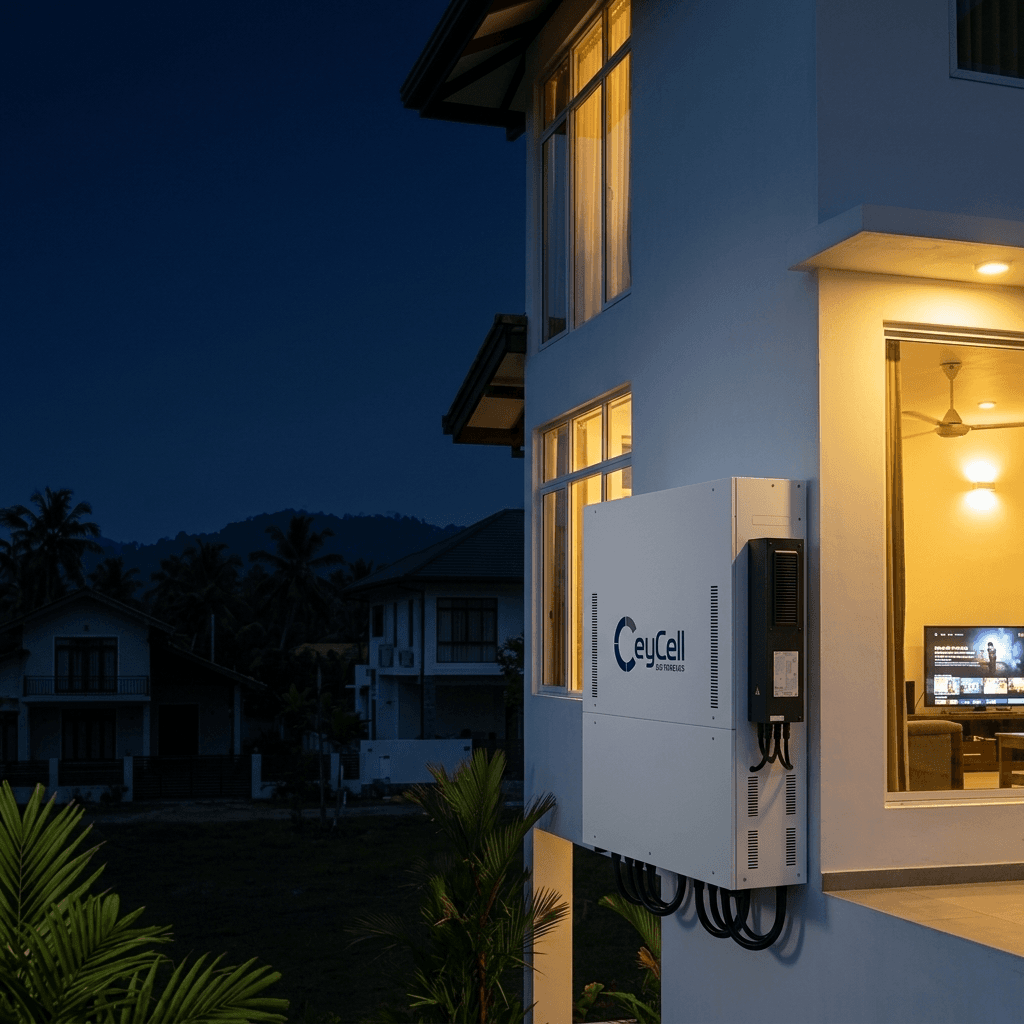
CeyCell holds your power as heat, inside a patented chemical gel. There is no lithium in it. A heat store is safe to keep indoors, and it does not wear out the way cells do.
- Not lithium
- Non-flammable
- Up to 20 hours
- 6,000 cycles
- Tested to IEC 61427-1:2013
How it works
Four steps, from sunlight to stored power
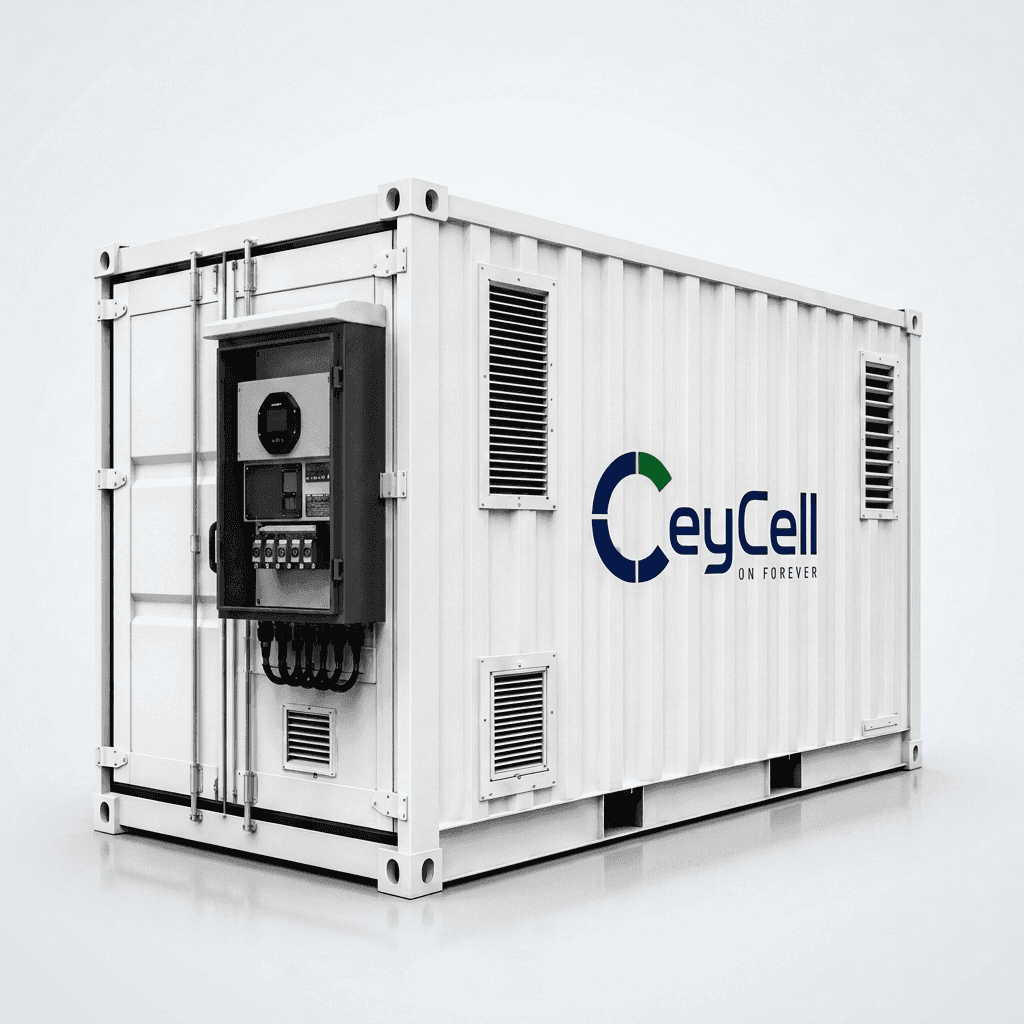
Power goes in as electricity and is stored as heat. When you need it, that heat becomes electricity again. The four steps below show the full round trip.
Renewable power charges it
Your solar, or the grid, powers the system up.
It heats a coil in the gel
That electricity heats a coil inside a patented chemical gel.
The gel stores the heat
The gel holds that heat for a long time, ready to use.
Heat becomes electricity
When you need power, the stored heat becomes electricity again.
What is inside, and what we will not pretend to know
The heat sits in a patented chemical gel. The exact recipe is the manufacturer’s, and we will not invent a chemistry name we cannot back up. What the gel does is the part that matters. It soaks up heat, keeps it for a long time, and will not burn.
The difference
How thermo-chemical storage differs from lithium
This is the manufacturer's own comparison from the catalogue, printed unchanged. It shows how the two technologies differ. Some rows — the environmental and total-cost ones — are the manufacturer's claims, not an independent study. We print them as they are and let you judge.
| Feature | CeyCell | Lithium-ion |
|---|---|---|
| Energy storage | Stores energy as heat in a patented chemical gel (thermo-chemical). | Stores energy as chemical charge in electrochemical cells. |
| Discharge duration | Long duration — up to 20 hours of power continuously. | Short duration — typically 1 to 4 hours. |
| Safety | Non-flammable, non-explosive, and heat stable. | Flammable, with a risk of thermal runaway and fire. |
| Lifespan | Extremely long cycle life, with minimal degradation. | Limited cycle life; performance degrades over time. |
| Environmental impact | Eco-friendly materials, non-toxic, and fully recyclable. | Uses critical minerals, chemical electrolytes, and toxic materials. |
| Maintenance | Low maintenance; robust and durable design. | Requires active management and temperature control. |
| Operating conditions | Performs across a wide temperature range with high reliability. | Performance is affected by high and low temperatures. |
| Total cost of ownership | Lower — long life, safety, and low maintenance. | Higher — replacement, management, and safety systems. |
It runs for up to 20 hours
of continuous power on a full system, up to — the catalogue’s rating for the system as a whole.
Once it is full, CeyCell can supply power for up to 20 hours. That covers a full night, or a bad day on the grid. How long it runs your own appliances, we do not guess. A free site visit measures it.
Proof
Tested, not just claimed
We did not decide on our own that it is safe. Someone independent checked.
Tested by the University of Moratuwa
Department of Electrical Engineering, at Sri Lanka's foremost engineering university.
Complies with IEC 61427-1:2013
The international standard for batteries in Solar PV Off-grid Applications.
What this means for you
No cells, no lithium fire risk
There is no charge stored in cells here. So the fire risk you have seen from lithium batteries is not part of it.
Enough for the whole evening
Up to 20 hours of storage is enough for the hours your family is home. It also covers a day when the grid does not behave.
Built to run for years
6,000 cycles at 90% depth of discharge, with passive cooling and little maintenance. Years of daily use.
A closer look
The engineering you can see
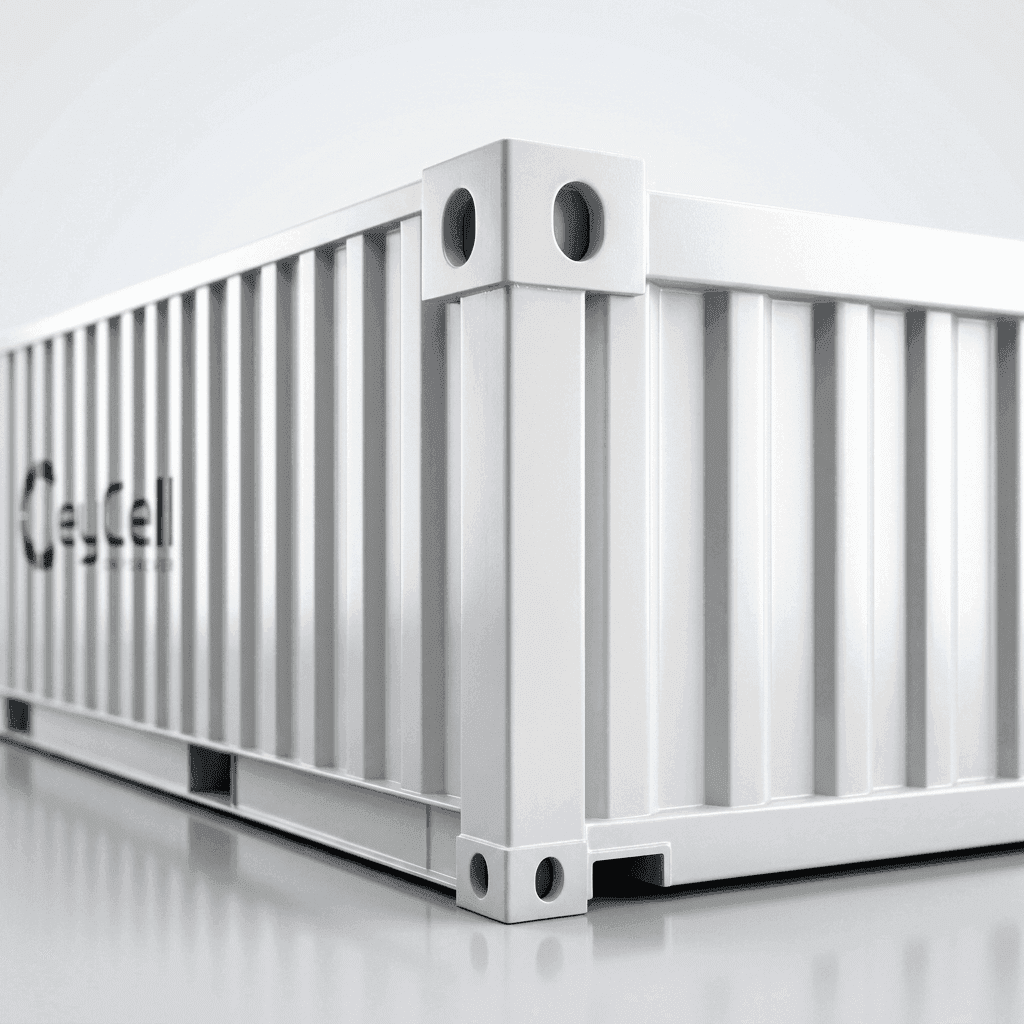
Containerised build
Standard container corner fittings on the outdoor systems.
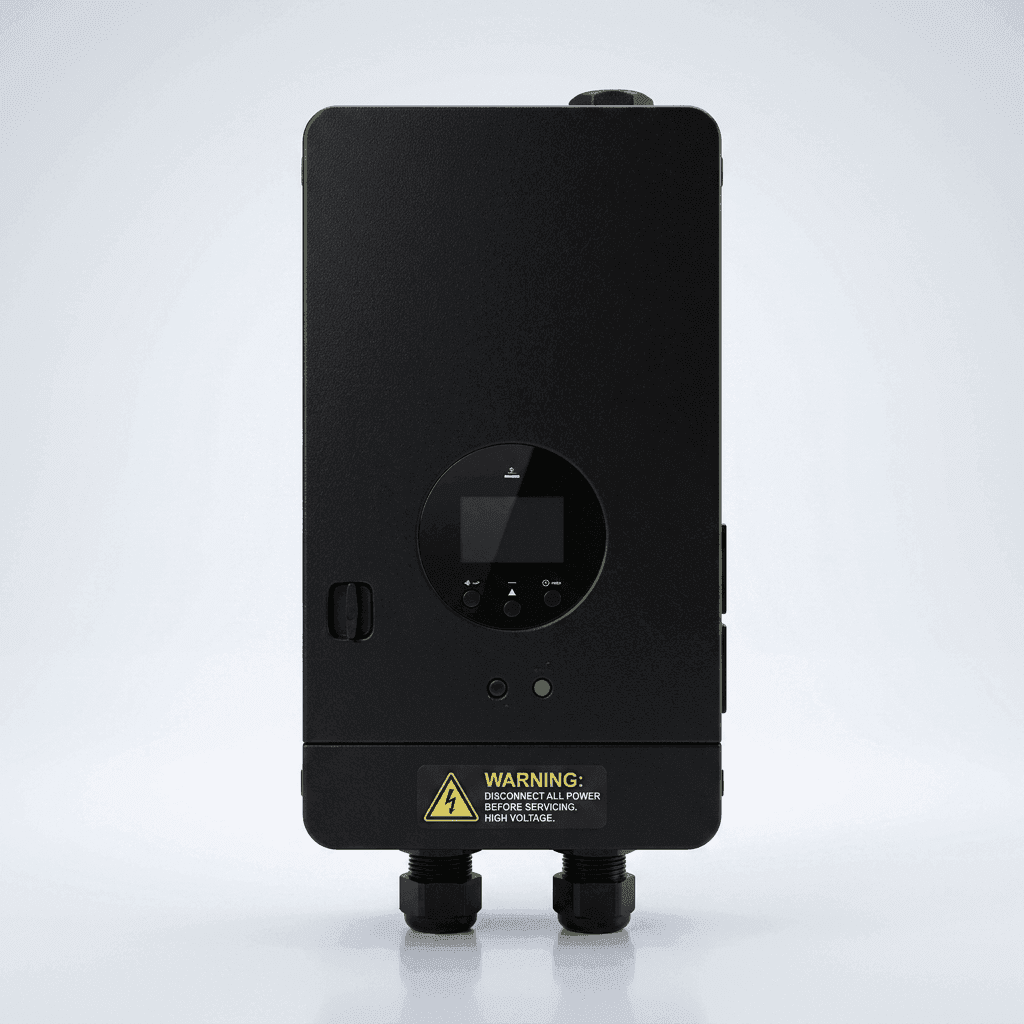
Hybrid control
The controller and display on the front.
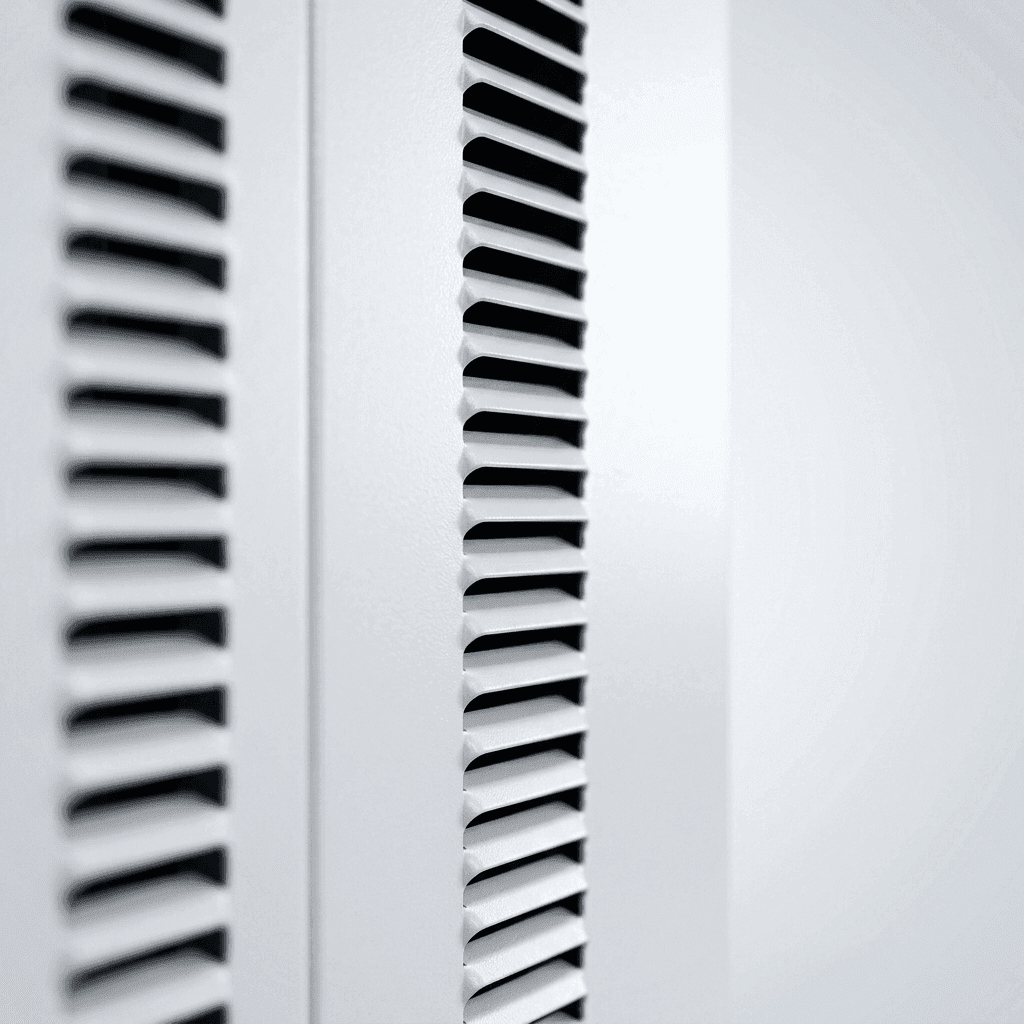
Passive cooling
Vented, with no fans or pumps.
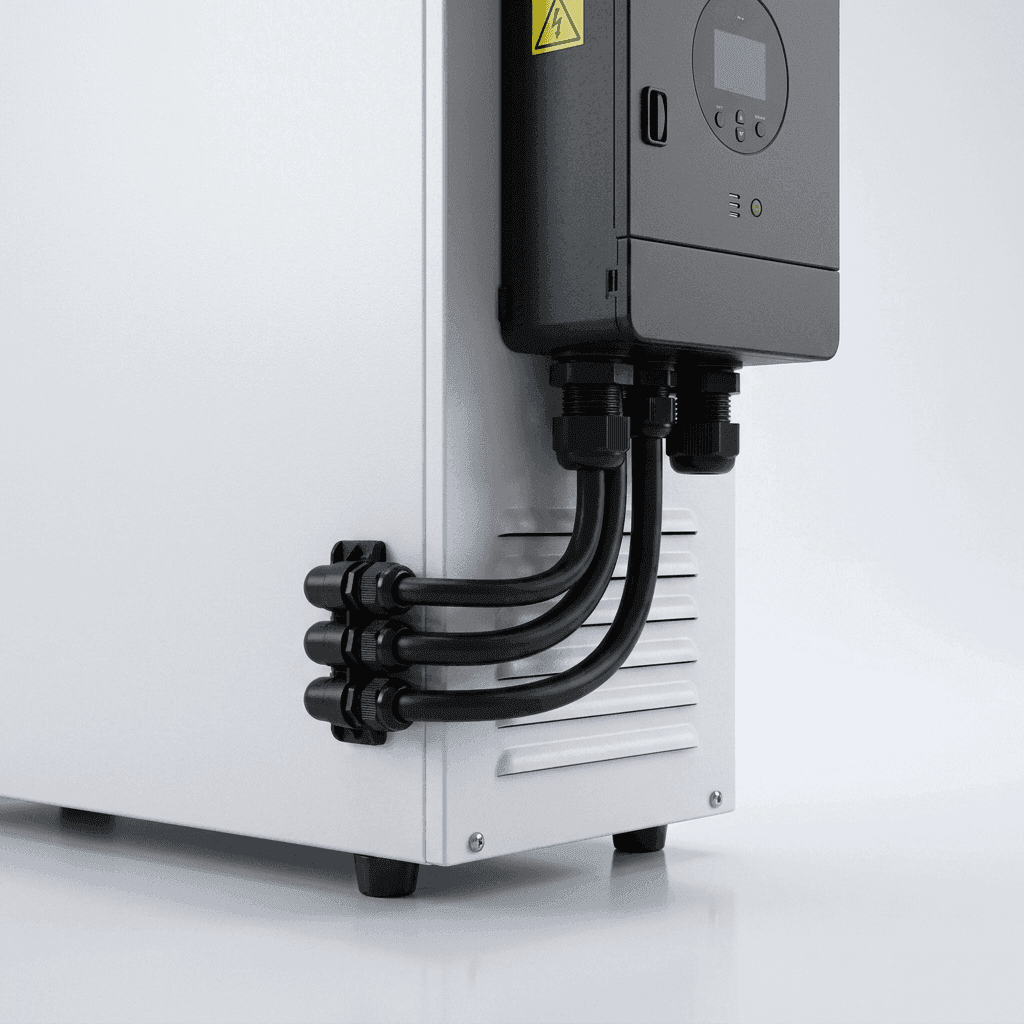
Clean connections
Tidy, protected cable entry.
On Forever
See which CeyCell fits your place
Answer a few questions about your place. We point you to the system that fits, and what it costs.